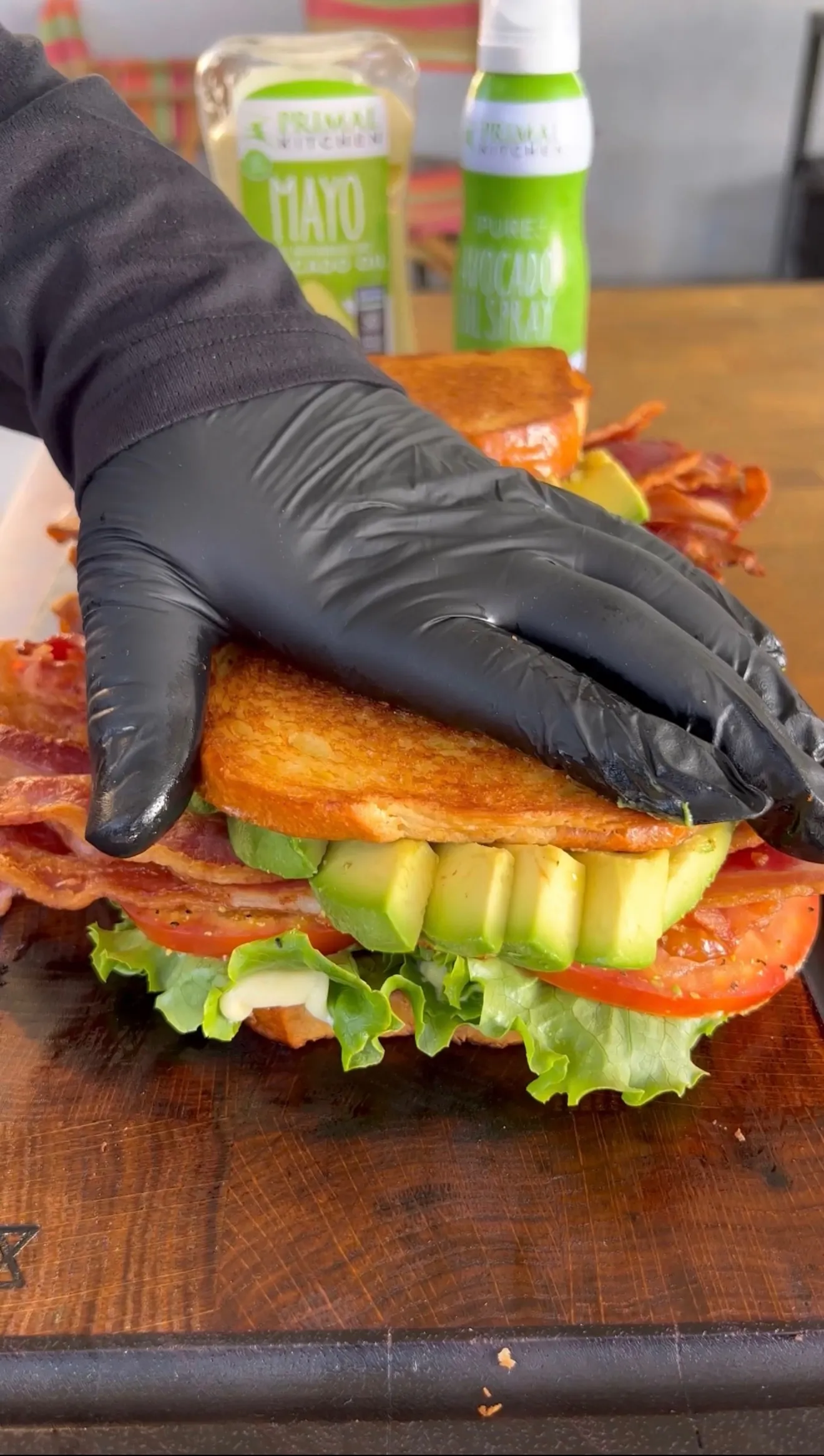
Avocado Adds Creaminess That Classic BLTs Lack
A traditional BLT is built on contrast: crispy bacon, crunchy lettuce, juicy tomato, and creamy mayo. The structure works, but the cream-to-crunch ratio leans heavy on crunch. Adding sliced avocado introduces a second creamy element that balances out the bacon and lettuce textures. Furthermore, the avocado’s natural richness complements the bacon fat without competing with it, which gives every bite a smoother finish than a classic BLT delivers.
Lemon Pepper Seasoning Brightens Every Layer
Most BLT recipes season the tomato with salt and pepper and stop there. This version seasons both the tomato slices and the avocado slices with lemon pepper, which brings citrus acidity into two of the four main fillings. Consequently, every bite has a hit of brightness that cuts through the richness of the mayo, bacon, and avocado. The lemon pepper also doubles as the salt component, so you do not need to season separately.
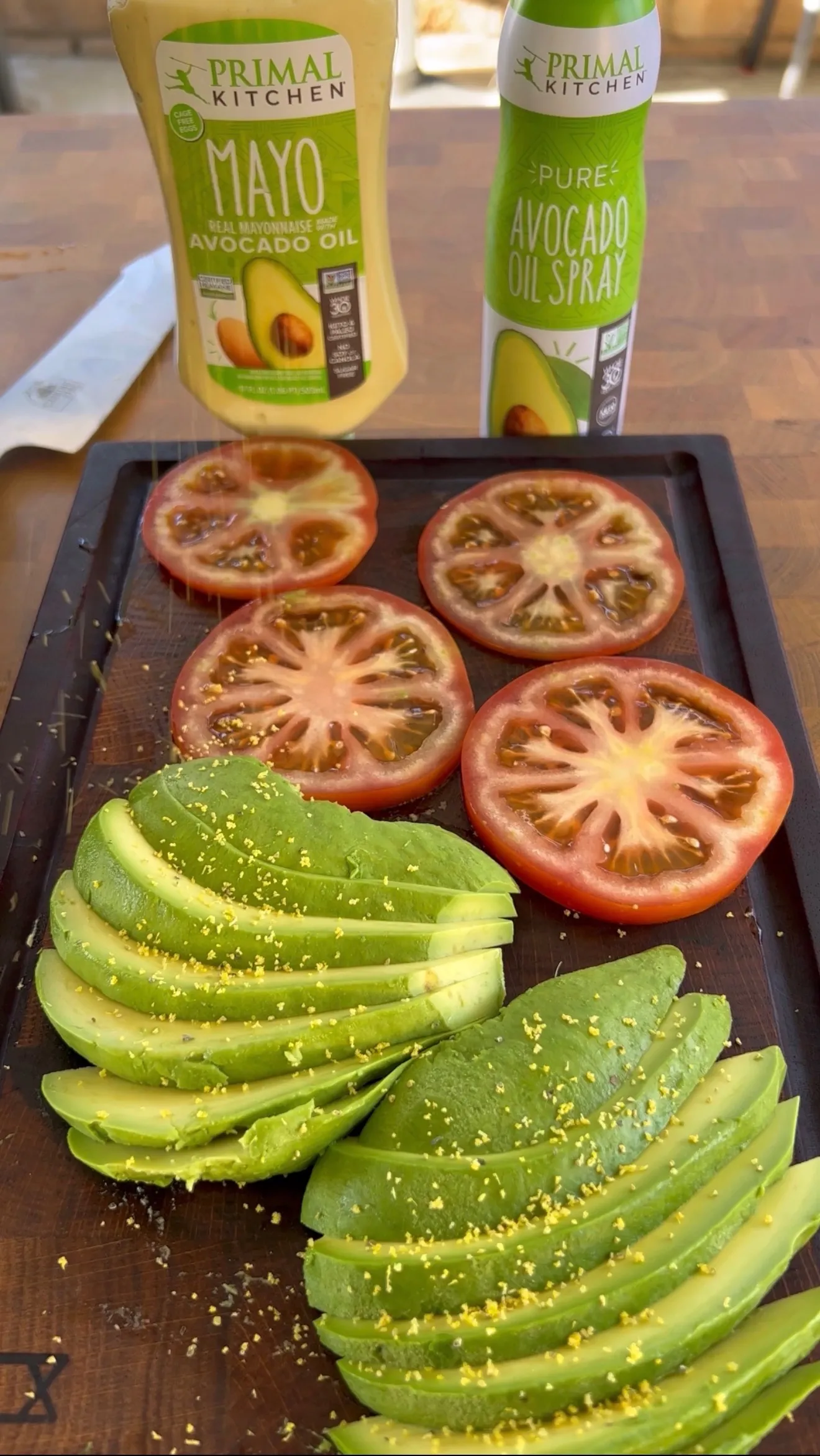
Choosing the Right Bread, Bacon, and Tomato
Why Brioche Beats White Bread for a BLT
Standard white sandwich bread holds up to a basic BLT but compresses under the weight of six slices of bacon, two layers of tomato, and avocado. Brioche has a tighter crumb and higher butter content, which makes it sturdier when toasted and able to handle the stack without collapsing. Additionally, the sweetness in brioche pairs naturally with the saltiness of bacon and the richness of avocado. Sourdough also works as a substitute for a tangier flavor profile, but skip thin sandwich breads like pre-sliced wheat or rye.
Buying and Selecting the Right Tomato
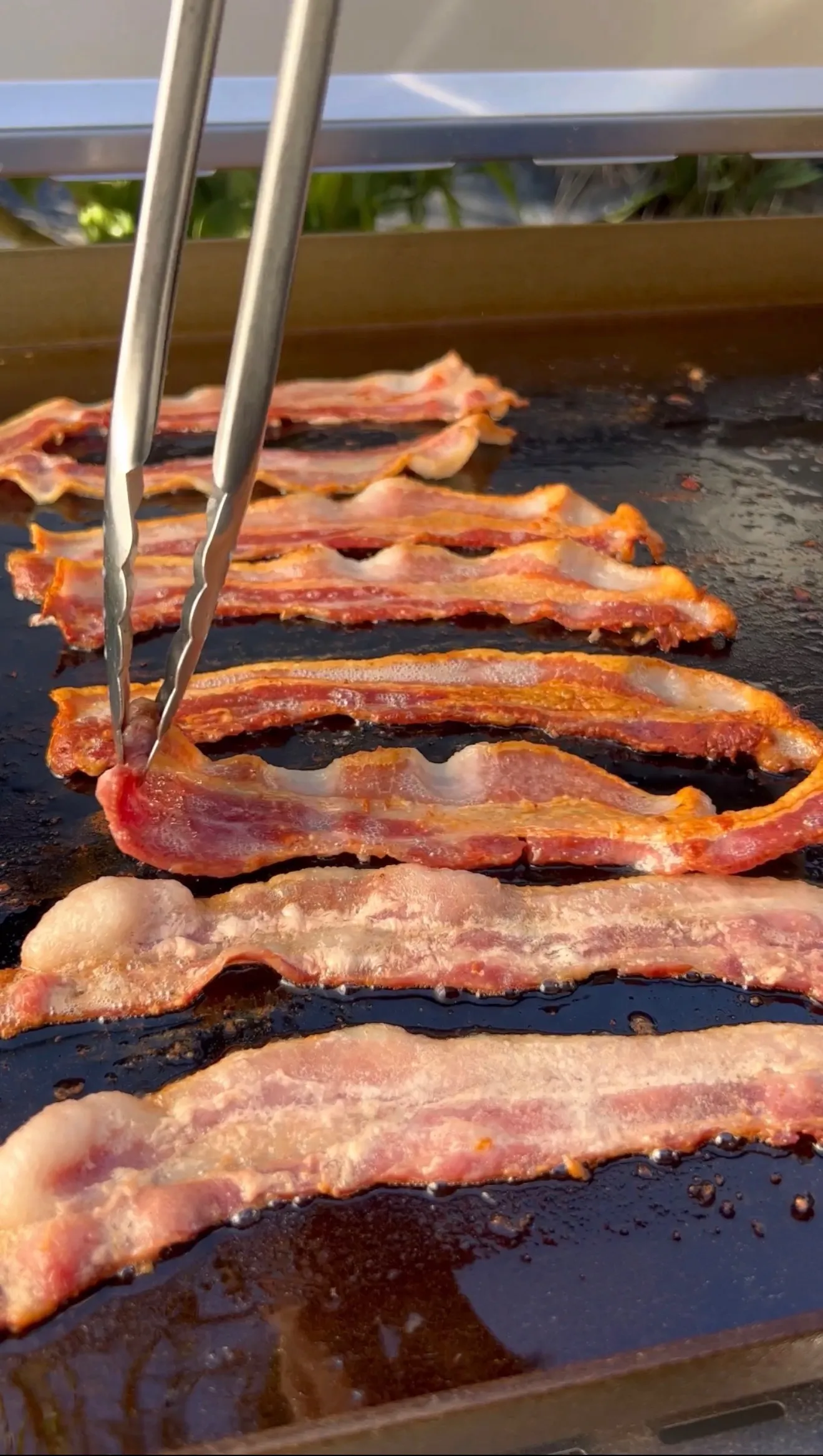
Use a large steak tomato (sometimes labeled “beefsteak”) sliced into quarter-inch slices. The thicker slices hold their juice better than thin slices, which can fall apart and turn the sandwich soggy. Specifically, look for tomatoes that feel heavy for their size and have deep red color all the way through. Avoid hothouse tomatoes from the off-season, which lack flavor and turn watery once cut. Heirloom tomatoes work too if you can find ripe ones at a farmers market.
How to Cook Bacon Perfectly Crispy for a BLT
Skillet vs Oven vs Griddle Method
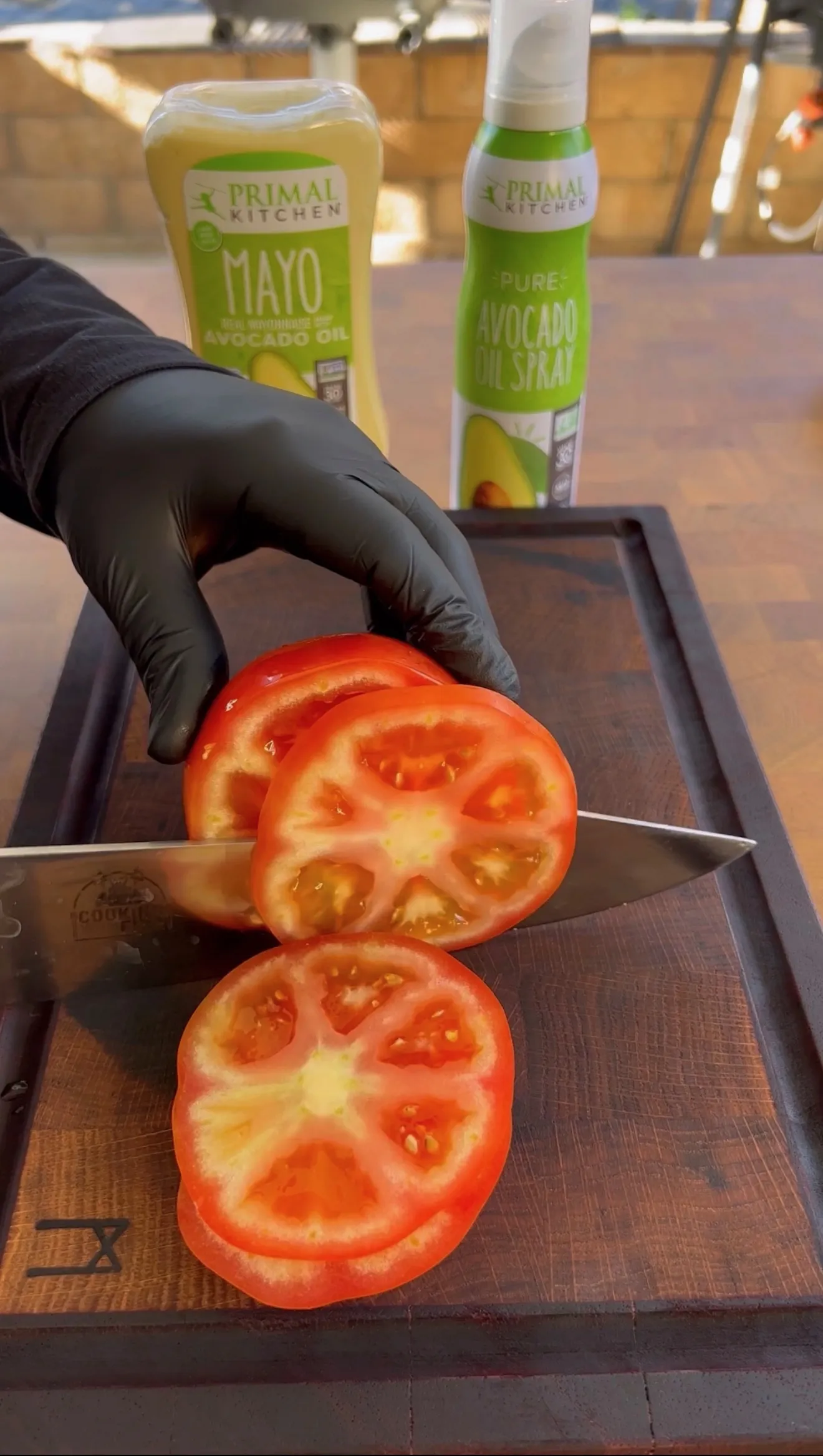
Three reliable ways to crisp bacon. The skillet works for small batches but requires constant attention. The oven (400°F on a rack over a sheet pan, 18 to 22 minutes) is the most hands-off and produces even, flat strips. The griddle method (shown in this recipe) lets you cook all 12 slices at once on a flat surface with controlled heat. Therefore, pick the method that fits your equipment. The flavor of the final bacon is the same across all three.
How to Tell When Bacon Is Done Without Overcooking
Bacon goes from “almost done” to “burnt” in about 30 seconds. The doneness cue is when the meat parts of the strip turn deep brown and the fat parts go from translucent white to opaque golden. Moreover, the strips should still bend slightly when lifted with tongs. Brittle, hard-snapping bacon has overcooked and will taste burnt. Drain finished bacon on paper towels to absorb excess grease before stacking on the sandwich.
Toasting Brioche With Avocado Oil Spray
Why Avocado Oil Spray Beats Butter
Butter is the classic choice for toasting bread, but it browns at around 250°F before burning. Avocado oil has a smoke point above 500°F, which means you can crank the heat for faster, more even toasting without scorching. As a result, you get a crisper exterior and a softer interior on the brioche. The avocado oil also keeps the sandwich’s flavor profile consistent with the sliced avocado filling, which butter would compete against.
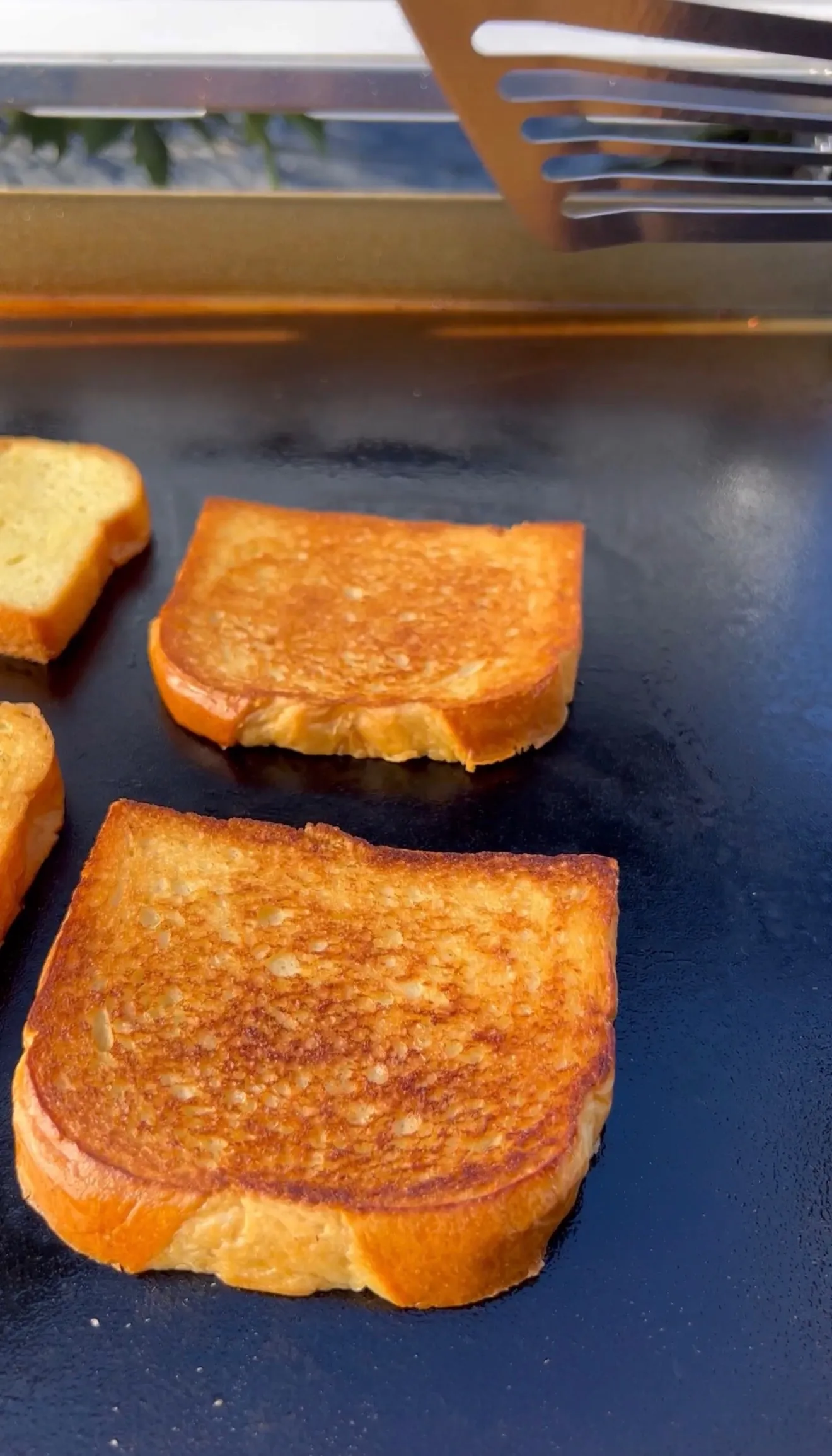
Getting the Right Golden-Brown Toast
Spray both sides of each brioche slice with a light, even coat of avocado oil. Heat a skillet or griddle to medium-high (about 350°F). Place the slices flat and toast for 90 seconds to 2 minutes per side, watching closely. The bread is done when the surface has even golden-brown color across the entire face, not just dark spots from hot zones. Therefore, rotate the slices once mid-cook if your skillet has uneven heat.
Building the BLT With the Right Layer Order
Why Mayo Goes on Bread First
Spreading mayonnaise directly on both slices of toasted brioche creates a moisture barrier between the bread and the tomato. Specifically, the mayo’s fat content blocks the tomato juice from soaking into the bread, which prevents the sandwich from going soggy in the 5 to 10 minutes between assembly and eating. Skipping the mayo on the bread (or putting it on the lettuce instead) leaves the bread directly exposed to tomato juice and accelerates the sog factor.
The Order That Keeps the Sandwich From Falling Apart
Layer order: mayo-bread, then butter lettuce, then tomato, then bacon, then avocado, then mayo-bread on top. The lettuce sits on the mayo to anchor the stack. The tomato goes on the lettuce so its juice doesn’t touch the bread. Furthermore, the bacon stacks above the tomato to keep the wet ingredients from sliding around. Avocado finishes the stack because it’s the most delicate filling and easiest to crush if pressed down by heavier layers above.